
Count How Many Drains Are Slow
Start by walking through the house. If one sink drains slowly and everything else is fine, the clog is almost always in that fixture or its short branch line. If a shower, a toilet and a sink all act up at once, suspect the main line.
Next, think about where the symptoms show first. Drains at the lowest level of the house, such as a ground-floor shower or a basement floor drain, back up first when the main is blocked, because that is where water finds the way out.
Simple Tests At Home
- Run the washing machine drain and watch the nearest floor drain or tub for bubbling.
- Flush a toilet and see if the tub or shower gurgles or rises.
- Check the cleanout, a capped pipe outside the house. Standing water in it points to a main line blockage. Open it slowly and stand back.
- Listen for gurgling when water runs elsewhere. Air pushed back through a trap is a sign of a partial blockage.
If you find sewage coming up, stop all water use and call right away.
Drain Backing Up?
Stop using water and call. A plumber can be sent.
Older Drain Lines Near Maywood
Houses in and around Maywood include many from the early and mid 1900s. Their drain lines may be clay, cast iron or older materials that roughen with age, so grease and roots catch more easily.
In multi-unit buildings, a clog in a shared line shows up in the lowest unit first. Tell the plumber how many units share the line.
We take calls from Huntington Park and Bell as well, so the steps here apply there too.
What Causes Each Type
| Type | Common causes | Usual fix |
|---|---|---|
| Single fixture | Hair, soap, grease, food | Snake or cable the trap and branch |
| Kitchen line | Cooked grease and food solids | Cable, then jet if it recurs |
| Main line | Roots, grease, wipes, damaged pipe | Cable, camera inspection, jetting |
| Repeated clogs | Roots or a sagging pipe | Camera inspection, repair |
What Not To Pour In
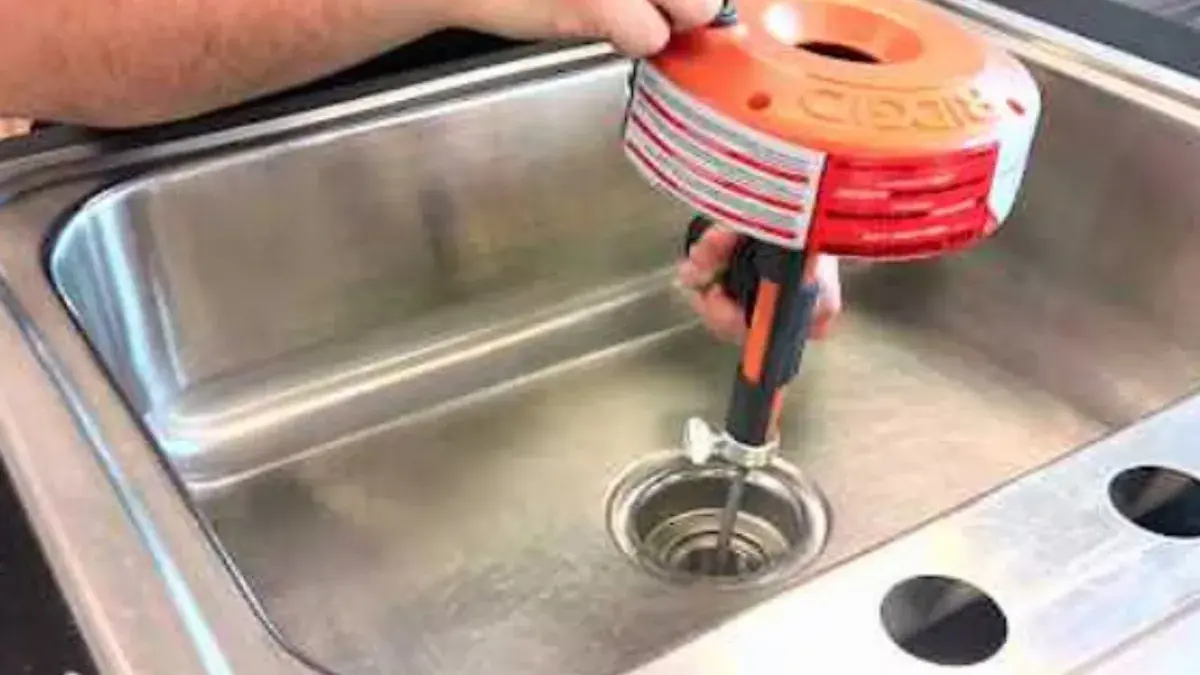
Chemical drain openers are a tempting first move. They can sit in a stopped pipe and burn the plumber or damage old pipe. If one drain is slow and a plunger does not help, a hand auger is a safer step.
For the main line, do not keep running water hoping it will clear. Each flush adds to the backup. Read sewer line cleaning and hydro jetting for how a main line is cleared and why jetting leaves the pipe cleaner than a cable.
When A Camera Inspection Helps
If a drain keeps clogging after being cleared, the pipe may be damaged. A camera inspection shows roots, cracks, offsets and low spots, so the repair targets the real problem. See sewer inspection for what the camera shows and what you receive afterward.
How A Plumber Clears Each Kind
A fixture clog is usually cleared with a hand auger or a small drum machine that cuts through hair and soap. The plumber then checks that water runs freely and that the trap is clean. These jobs are short and the price reflects that.
A main line is cleared with a larger cable that reaches farther and cuts roots. When grease or scale coats the pipe wall, a jetter sends a high-pressure stream that scours the inside. Jetting leaves the pipe closer to clean, so it helps when clogs return. Read drain cleaning for the options.
Habits That Prevent Clogs
Most clogs are habits. Cooked grease poured into a kitchen drain cools and sticks to the pipe. Hair builds in shower drains, and a cheap strainer stops it. Wipes, paper towels and cotton swabs belong in the trash.
Run hot water for a short time after washing dishes, and use a sink strainer. If you cook with a lot of oil, pour it into a can and throw it away when it cools. A garbage disposal is not a trash can, and fibrous food such as celery, corn husks and potato peels can wrap and stall it.
Shared Drains And Who Pays
In a building with shared lines, the question of who pays can matter as much as the fix. If the blockage is in the shared main, the owner usually pays. If it is in a branch that serves only your unit, the cost may be yours. Tell the plumber before work starts so the invoice is addressed correctly.
Ask for a written note of where the blockage was found. It settles later disputes.
When To Skip The DIY
A plunger and a hand auger are fair first steps for a single fixture. Skip them when water comes up in another fixture, when a drain has been slow for weeks, or when you see signs of sewage. In those cases the clog is not where you are working, and more effort only spreads the problem.
A Short Log Helps The Plumber
Write down which drains are slow, when it started and what you tried. Note any changes such as a new disposal, a bathroom remodel or heavy rain. Tell the plumber how old the house is and whether trees stand near the sewer line.
These details help narrow down a root problem, a grease problem or a broken pipe, and they shorten the diagnosis.
Disposals And Kitchen Lines
A kitchen line fails for a different reason than a bath line. Cooked fats cool inside the pipe and trap food. A disposal grinds food fine, but it does not fix grease. If the kitchen sink backs up into the second basin, the problem is usually past the trap, and a cable is the usual fix.
Cleaning the line on a schedule helps in homes that cook often. A plumber can tell you how often from what the cable brings back.
Cleanouts, traps and vents are set by the California Plumbing Code, which is based on the Uniform Plumbing Code (UPC), so any plumber who changes your drain layout should follow it and pull a permit when required.
Questions We Hear
It can be an early sign of a partial blockage. If it happens with more than one fixture, call before it backs up.
Yes. Roots enter through joints and cracks and grow into a mat. A camera shows them.
They often do not break down. Put wipes in the trash.
It is usually a capped pipe near the house, in a front or side yard. Ask the plumber if you cannot find it.
Yes. The line is answered around the clock.