
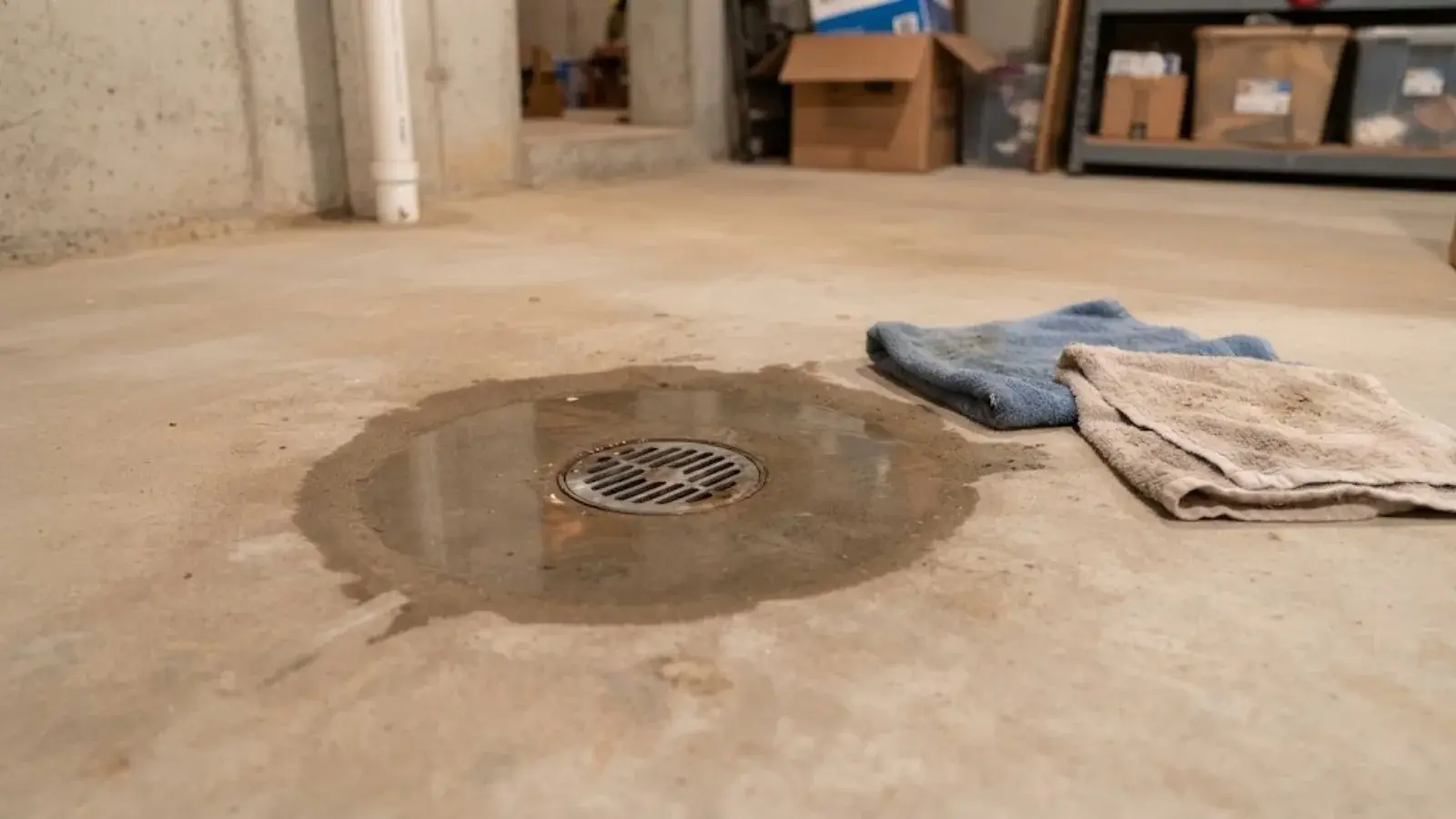
Stop Using Water
When sewage comes up in a tub, shower or floor drain, the main line is blocked or broken. Every flush, shower or load of laundry sends more water into the line and out through the lowest opening. Tell everyone in the house to stop using water until the plumber says it is clear.
If the house is part of a building with shared lines, warn your neighbors. A backup in the lowest unit may be coming from a clog upstream.
Keep Yourself Safe
- Keep children, pets and anyone with a weak immune system away from the area.
- Avoid touching sewage with bare hands. Wear rubber gloves and boots if you must go in.
- Do not run a vacuum or fan on wet floors and do not use a regular wet vacuum on sewage.
- Switch off electricity to the area only if the panel is dry and reachable.
- Wash hands thoroughly with soap after any contact.
For health questions after exposure, ask your doctor. We cannot give medical advice.
Sewage Backing Up?
Stop using water and call. Dispatch never closes.
Shared Lines In Dense Neighborhoods
Maywood and its neighbors have small multi-unit buildings and dense blocks, so lines are often shared. A backup in the lowest unit can start with a clog elsewhere on the line.
Tell the plumber how many units share the line and who manages the building, since approval for repairs may come from an owner.
We take calls from Commerce and South Gate as well, so the steps here apply there too.
What Not To Do
Do not pour chemical drain cleaner into a sewage backup. It will not clear a main line blockage and it can burn skin when it mixes with the water. Do not keep plunging if the water level rises, since each push can force dirty water into another fixture.
Do not try to dig up the line yourself. The line may be deeper than it looks and may run near gas or electric lines.
What The Plumber Will Do
| Step | Purpose |
|---|---|
| Locate the cleanout | Gives a direct way into the main line |
| Clear the blockage with a cable or jetter | Restores flow |
| Run a camera inspection | Finds roots, cracks, offsets |
| Explain repair options | Prevents a repeat |
After The Line Is Clear
Once water drains, the cleanup begins. Porous items such as carpet and drywall that touched sewage often need professional cleanup. Ask your insurer what your policy covers and take photos before anything is moved.
If the line is cracked or collapsed, the plumber will explain repair or replacement. Read sewer line repair and sewer line cleaning for what each involves.
Cleanup And Health Notes
Sewage carries bacteria, so cleanup is different from clean water. Items that soaked it up, such as carpet, padding and drywall, often have to be removed. Hard surfaces can be cleaned and disinfected. Wear gloves, boots and eye protection, and open windows.
For large backups, use a professional cleanup company. Ask your insurer first, because many policies need a sewer backup endorsement. Do not keep food that touched the water.
Finding The Cause
Once the line is clear, a camera inspection tells you why it blocked. Roots, grease, a collapsed section, an offset joint or a belly where water pools all have different fixes. Without it, you are guessing, and the backup may come back.
Ask for the recording or still images. A good report shows the location and the depth of the problem so the repair can be priced.
Long-Term Prevention
Keep wipes, grease and paper towels out of the drain. Have older lines checked after a backup, and if roots are the problem, ask about scheduled cleaning or a repair. A line with a bad section will keep failing.
Know the location of your cleanout, and keep it clear so a plumber can reach it fast in an emergency.
Who To Call First
Call a plumber first. A blocked main is often fixed within hours, and the plumber can tell you whether the problem is on your side or the city side. If the plumber finds the blockage in the city main, call the city public works office so they can respond.
Keep notes of who you spoke to and when.
What To Tell The Plumber
Say which fixtures back up first, how many people live in the house, whether neighbors have the same problem and when you last had the line cleaned. These details narrow the search and shorten the visit.
Warning Signs Before A Backup
Backups rarely come from nowhere. Gurgling after a flush, slow drains in several rooms, a sewer smell outdoors near the cleanout and repeated clogs are warnings. If you see them, have the line cleaned and inspected before a holiday weekend or heavy use.
A planned cleaning is a short visit and costs far less than a flooded floor. Ask the plumber how often the line should be checked based on what the camera shows.
If The Backup Is Only In The Yard
Sometimes the first sign is water bubbling at the cleanout or a wet patch in the yard that smells of sewer. That is still an emergency, because the line is blocked or broken between the house and the main. Stop water use inside, keep people and pets off the wet area and call.
Do not open the cleanout cap fully if water is pushing against it, since pressure can send sewage out fast. Let the plumber open it with the right tools and a way to control the flow. Mark the area so no one walks through it.
Report the date and what you saw to your insurer, and take photos from a safe distance.
Even after the line is cleared, run water slowly the first day and watch the lowest drains. If the backup returns within a day or two, tell the plumber at once, because the cause may still be there.
Questions We Hear
Yes. It is a health risk and it spreads quickly. Call right away.
The property owner usually owns the line up to the connection at the main. Ask your city which part is yours.
Many standard policies exclude sewer backup unless added. Check your policy.
Yes. Roots enter joints and form a mat that stops flow.
Yes. The emergency line is answered around the clock.